What it means to learn at a non-towered field
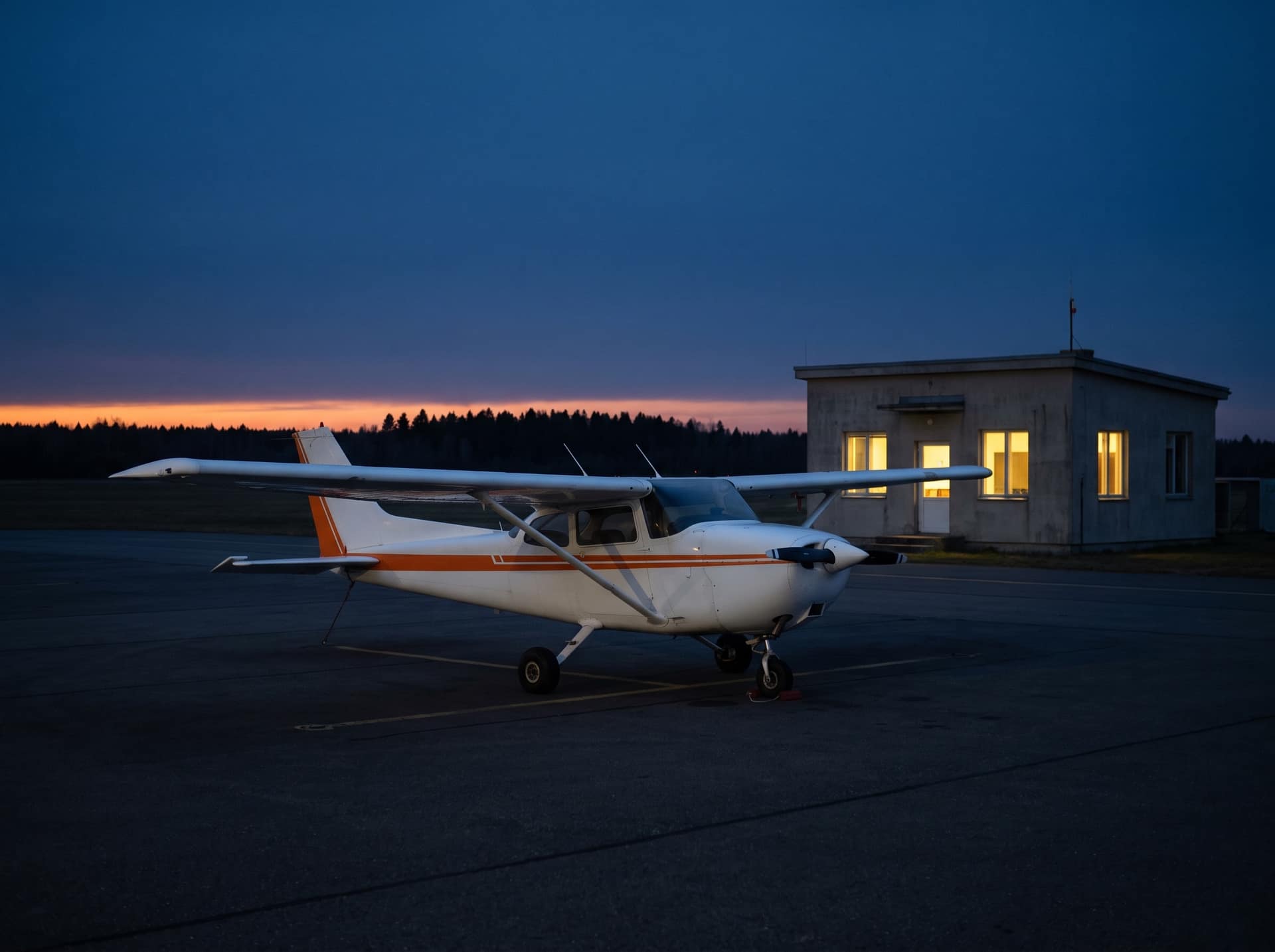
Skyhaven and Limington-Harmon are both non-towered airports. That means no clearance to wait for, radio calls made rather than received, and a pattern the pilots in it are responsible for — which is a training advantage more often than a limitation.
By Technique Only
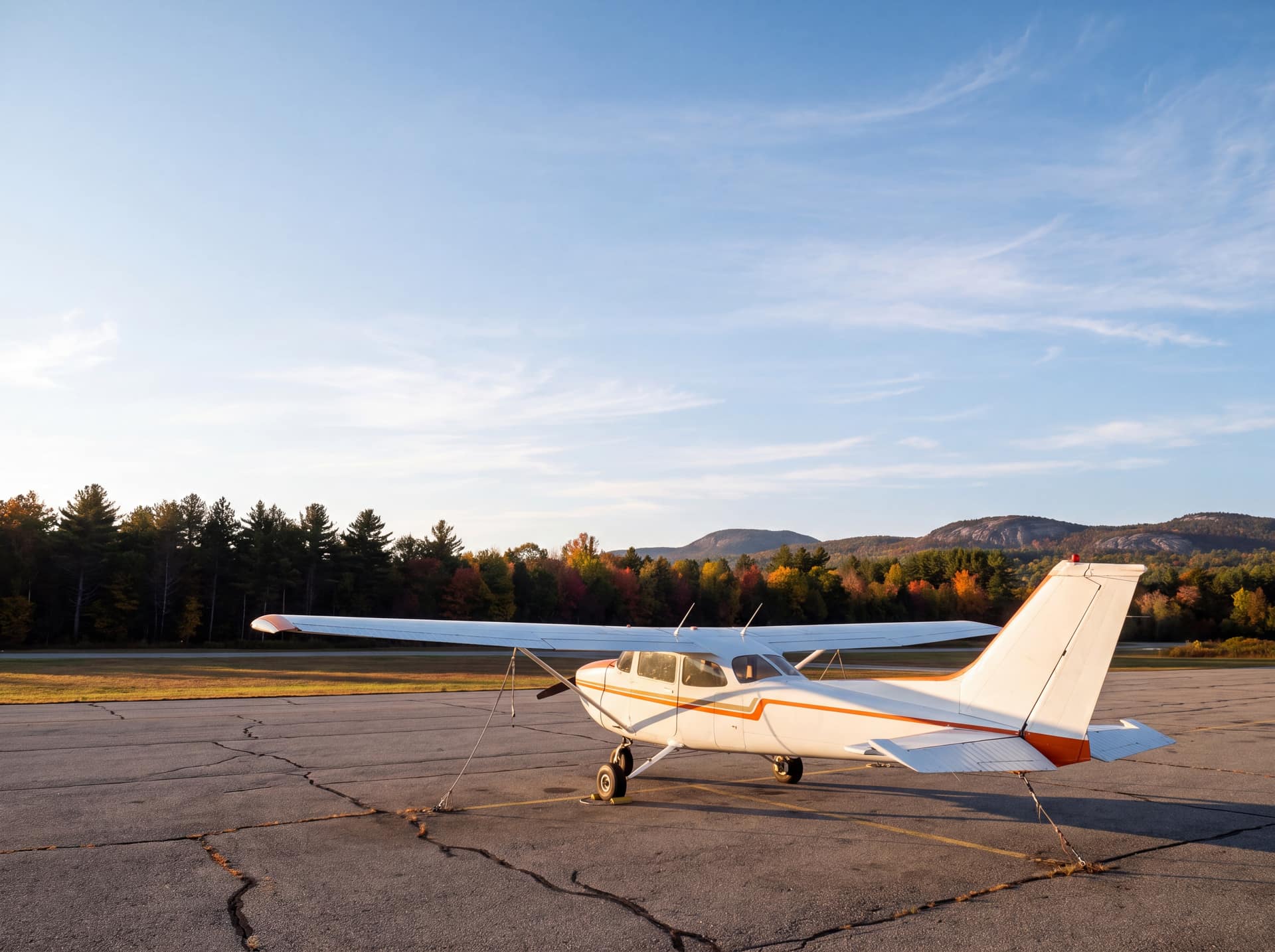
At a non-towered airport there is no controller sequencing arrivals and departures. Pilots announce their own position on a common radio frequency and work out the order between themselves. Skyhaven Airport (KDAW) in Rochester and Limington-Harmon Airport (63B) in southern Maine are both non-towered, and for a student pilot that changes what a lesson feels like from the first hour.
The lesson starts when the airplane is ready
The most obvious difference is time. At a towered field a training flight can spend a meaningful part of its first quarter-hour holding short, waiting for a departure gap between airline traffic. At a small field the airplane taxis when the run-up is done. Over a full certificate that difference is measured in hours.
Radio work changes shape, not difficulty
The common misconception is that students at non-towered fields do not learn the radio. What actually happens is that they learn a harder half of it first: announcing intentions clearly to other pilots without being told what to do, and building the picture of where everyone else is from what they say.
Adding controlled-field operations later is a short exercise, and it is a required part of Private Pilot training regardless — the cross-country work and the towered-airport endorsement see to that. It is far easier to add clearance-following to a pilot who already thinks about traffic than the other way around.
Responsibility arrives early
At an uncontrolled field, deciding when it is safe to enter the pattern is the pilot’s job. Nobody else is going to sequence the arrival. That is a heavier thing to hand a student on lesson three, and it is precisely why pilots trained at small fields tend to arrive at their checkride with the judgement half of the syllabus already worn in.
What to expect on a first visit
Small airports are confusing exactly once. There is no terminal, the parking is on the field, and the flight is met on the ramp rather than at a desk. A phone call before a first visit gets you pointed at the right door.